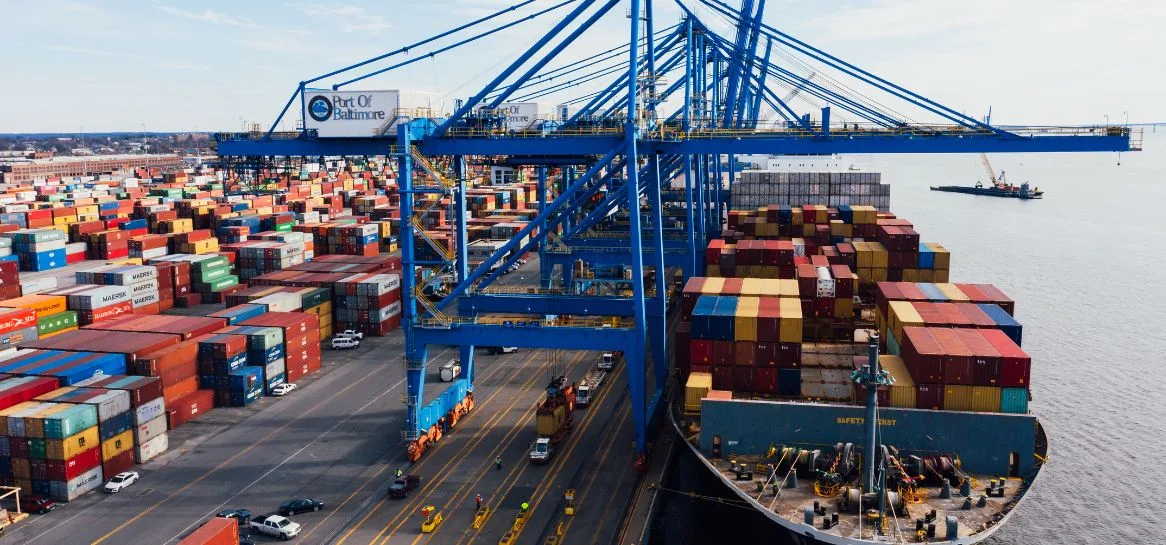
Q4 is traditionally a demanding period for international logistics, but the 2026 peak season is developing against a more complicated market backdrop. Freight forwarders are dealing with changing trade flows, port congestion, geopolitical disruption, shifting ocean routes, and strong air cargo demand.
Recent market data shows why early planning matters. Freightos reported in September 2026 that peak-season trends are diverging by trade lane, while port congestion and changing Red Sea routing continue to influence international freight markets. At the same time, IATA reported that global air cargo demand increased 3.9% year-on-year in July 2026, while capacity grew by 1.7%.
For independent forwarders, preparing for Q4 is therefore not simply about booking more space. It requires practical peak season freight planning, flexible routing, and reliable overseas coordination.
1. Start Capacity Planning Before Q4 Demand Peaks
One of the biggest risks during peak season is waiting until customers have urgent shipment requirements before checking capacity.
Freight forwarders should review expected Q4 volumes by origin, destination, mode, and cargo type. This helps identify lanes where space could become constrained and where alternative carriers or services may be required.
The 2026 market has already shown that peak season does not necessarily develop at the same time on every trade lane. Freightos reported that ocean peak-season activity was pulled forward on several routes during June and July, while August and September developments showed different trends between Asia-Europe and transpacific markets.
A practical capacity plan should include:
- Expected weekly shipment volumes
- Preferred carriers and services
- Alternative carrier options
- Container and equipment requirements
- Airfreight alternatives for urgent cargo
- Cut-off dates and transit-time buffers
- Potential port congestion risks
This type of freight capacity management gives forwarders more options when normal services become unavailable.
2. Review International Shipping Routes, Not Just Rates
A low freight rate does not necessarily mean a shipment will have the best overall outcome during Q4.
In 2026, route selection has become particularly important because geopolitical developments and vessel-routing decisions continue to affect transit times and capacity. Freightos reported in September that some carriers had started returning portions of Asia-Europe volumes to the Red Sea route, while congestion and higher fuel costs were also influencing carrier decisions.
Freight forwarders should therefore compare:
- Transit time
- Port congestion
- Vessel schedules
- Transshipment requirements
- Fuel and security-related surcharges
- Reliability of connecting services
- Alternative gateways
For customers with strict delivery deadlines, a slightly different route may provide greater schedule reliability than simply selecting the lowest quoted rate.
3. Book Earlier and Build Flexibility Into Q4 Plans
Early booking remains one of the most practical freight booking strategies for the Q4 period.
Forwarders should encourage customers to provide forecasts as early as possible, particularly for retail, e-commerce, seasonal inventory, and time-sensitive cargo. Instead of depending on a single sailing or airline service, forwarders can also prepare backup options.
This is especially relevant for air freight. IATA’s July 2026 data showed global air cargo demand growing faster than capacity, with demand up 3.9% and capacity up 1.7% year-on-year.
For urgent shipments, forwarders should consider:
- Pre-booking critical airfreight capacity
- Keeping alternative airports in consideration
- Using different flight connections
- Splitting shipments where commercially practical
- Maintaining ocean-to-air contingency options
A flexible booking strategy can reduce the impact of last-minute capacity shortages.
4. Use a Strong Global Network for International Coordination
Q4 becomes more manageable when a freight forwarder does not have to solve every international problem alone.
A global freight network can provide access to experienced local partners who understand customs procedures, port conditions, documentation requirements, and transport options in their respective markets.
L.I.N.K. Global currently describes its network as connecting independent forwarders across more than 63 countries and approximately 240 offices. Its model is based on independent local companies working together internationally rather than one company maintaining offices in every market.
For an independent forwarder, this can be particularly useful during Q4 when a shipment requires local support at origin or destination, an alternative routing option, or faster coordination with an overseas partner.
5. Prepare Contingency Routes Before Problems Occur
Waiting for a disruption before looking for an alternative route can create unnecessary pressure.
Forwarders should prepare a simple contingency matrix for their major Q4 lanes. For each route, identify the preferred option, backup port, alternative carrier, and possible transport mode.
For example:
Primary route → Alternative carrier → Alternative gateway → Airfreight option
This approach allows teams to respond faster when sailing is cancelled, a port becomes congested, or a shipment misses its planned connection.
It also gives customer-service teams clearer information to communicate with clients instead of searching for alternatives after a disruption has already occurred.
6. Strengthen Communication With Overseas Partners
Q4 planning is not only about capacity. Communication becomes equally important when shipment volumes increase.
Forwarders should establish clear communication procedures with overseas agents before the peak period begins. Important information should include booking confirmations, cargo readiness, documentation status, cut-off changes, transshipment details, and delivery requirements.
For independent companies, established relationships through an international freight forwarding network can make cross-border coordination more straightforward.
L.I.N.K. Global’s membership model is also selective: its website states that the network allows one member per country and requires applicants to meet specific criteria, including credibility, financial soundness, and participation in the annual global meeting.
This selective structure is relevant for independent forwarders looking for long-term overseas business relationships rather than simply a large directory of contacts.
7. Turn Q4 Preparation Into a Customer Service Advantage
Peak-season planning should not remain an internal logistics exercise.
Forwarders can use their preparation to provide customers with clearer information about booking deadlines, expected transit times, alternative routes, and potential disruption risks.
A customer who understands the available options before a problem occurs is better positioned to make timely shipping decisions.
For independent freight companies, access to a connected global logistics network can support this approach by combining local market knowledge with international partner relationships.
Conclusion
Q4 2026 requires freight forwarders to think beyond securing a single booking. Capacity planning, route flexibility, early reservations, contingency options and reliable international coordination are becoming increasingly important as the freight market continues to change.
Current 2026 data already shows that demand and capacity are not moving uniformly across transportation modes and trade lanes. Ocean markets are experiencing different peak-season patterns by route, while air cargo demand has continued to grow faster than capacity in recent months.
For independent freight forwarders, strong international partnerships can add another layer of flexibility. L.I.N.K. Global brings independent forwarding companies together across international markets, helping members maintain their local identity while developing overseas business relationships.
Are you an independent freight forwarder looking to strengthen your international reach before the next peak season? Contact L.I.N.K. Global or apply for membership to explore how becoming part of an established international freight forwarding network can support your overseas partnerships and global growth.
Frequently Asked Questions (FAQs)
1. Why should freight forwarders prepare early for Q4 2026?
Early preparation allows forwarders to review capacity, identify alternative routes, secure bookings, and create contingency plans before demand and operational pressure increase.
2. What should freight forwarders consider when planning Q4 capacity?
They should consider expected shipment volumes, carrier availability, equipment requirements, transit times, port congestion, alternative services, and airfreight options for urgent cargo.
3. Are international shipping routes changing in 2026?
Yes. Geopolitical developments, congestion, fuel costs, and carrier decisions are affecting routing strategies in 2026. Freightos has reported changing Red Sea usage and different peak-season patterns across major ocean trade lanes.
4. How can a freight forwarder manage urgent Q4 shipments?
Forwarders can pre-book critical capacity, maintain alternative carrier and airport options, consider different routing combinations, and use airfreight when delivery requirements make ocean transport unsuitable.
5. How can joining a freight forwarder network help during peak season?
A freight forwarder network can connect independent companies with overseas partners that understand local markets, customs procedures, and transportation conditions. L.I.N.K. Global operates an exclusive network model with one member per country and connects independent forwarders across international markets.