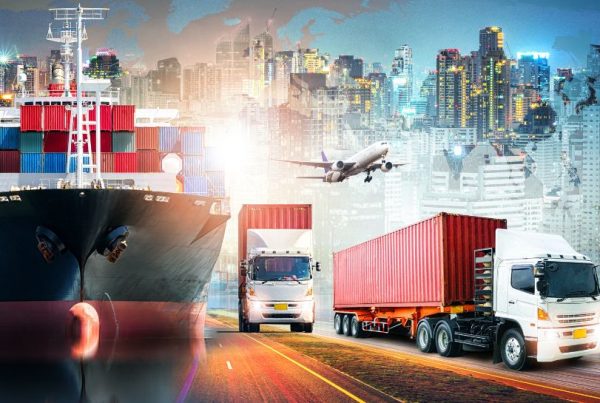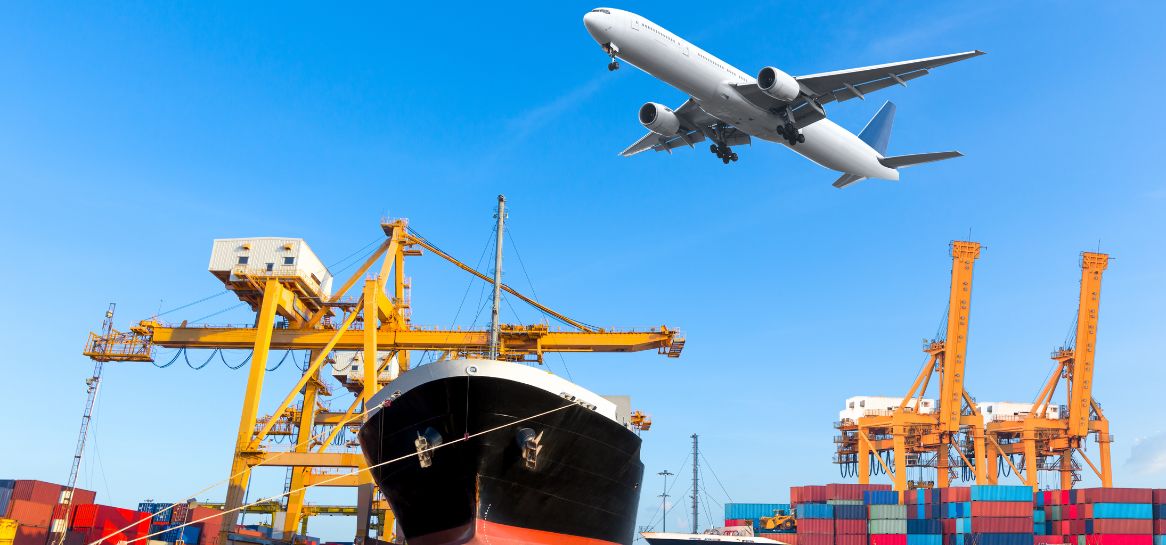
Global trade continues to evolve in 2026, with businesses facing increasing pressure to balance speed, cost, sustainability, and supply chain resilience. One of the most important decisions exporters, importers, and freight professionals make is choosing between sea freight and air freight.
While both methods play a vital role in international trade, the best option depends on shipment priorities, market conditions, and customer expectations. Understanding the strengths and limitations of each can help businesses optimize their logistics strategy and improve operational efficiency.
The State of Global Shipping in 2026
This year, global supply chains are becoming more diversified as companies seek greater flexibility amid geopolitical shifts, fluctuating fuel costs, and changing trade regulations. Businesses are increasingly relying on experienced freight forwarders and strong logistics partnerships to navigate these challenges.
As part of a trusted global logistics network, freight forwarders are better positioned to provide competitive rates, reliable carrier access, and enhanced customer service across international markets.
Sea Freight: The Cost-Effective Choice
Sea freight remains the backbone of global commerce, handling the majority of international cargo volume.
Advantages of Sea Freight
- Lower transportation costs for large shipments
- Ideal for bulk cargo and oversized goods
- Improved environmental performance per ton of cargo
- Suitable for long-term inventory planning
Challenges of Sea Freight
- Longer transit times
- Potential port congestion
- Less flexibility for urgent deliveries
For businesses shipping large quantities of goods, sea freight services continue to offer significant cost savings. In 2026, many companies are using advanced tracking technologies and predictive analytics to improve shipment visibility and reduce delays.
Air Freight: Speed and Reliability
When time is critical, air freight remains the preferred solution.
Advantages of Air Freight
- Fast transit times
- Greater schedule reliability
- Enhanced security for high-value cargo
- Reduced inventory holding costs
Challenges of Air Freight
- Higher shipping costs
- Weight and size limitations
- Greater environmental impact
With the growth of e-commerce and time-sensitive supply chains, air freight shipping is increasingly used for electronics, pharmaceuticals, automotive parts, and perishable products.
Sea Freight vs Air Freight: Key Comparison
| Factor | Sea Freight | Air Freight |
|---|---|---|
| Cost | Lower | Higher |
| Speed | Slower | Fastest |
| Cargo Capacity | Very High | Limited |
| Sustainability | Better | Lower |
| Best For | Bulk shipments | Urgent deliveries |
| Flexibility | Moderate | High |
For businesses focused on cost efficiency, sea freight remains the stronger option. However, companies that prioritize speed and customer satisfaction often choose air freight despite the premium pricing.
How Freight Forwarders Add Value in 2026
The choice between sea and air freight is no longer just about transportation. Successful logistics providers help clients evaluate total supply chain costs, delivery timelines, and market risks.
Being part of a strong freight forwarders network enables members to access trusted partners worldwide, streamline operations, and provide reliable international shipping solutions.
This is where L.I.N.K. Global creates value. As a leading freight forwarder network, the organization connects independent logistics companies across multiple countries, helping members expand their reach while maintaining local expertise.
Why Network Strength Matters
In today’s interconnected market, no freight forwarder can operate effectively in isolation. A reliable global logistics network ecosystem provides access to trusted overseas agents, business opportunities, and operational support.
Members of L.I.N.K. Global benefit from:
- Carefully vetted global partners
- Increased shipment opportunities
- Strong financial protection programs
- Worldwide business development support
- Enhanced credibility with customers
For companies seeking a dependable L.I.N.K. Global forwarding network, network participation has become a key competitive advantage in 2026.
Which Shipping Method Is Best?
The answer depends on your priorities:
Choose sea freight if:
- Cost control is the primary concern
- Shipment volumes are large
- Delivery timelines are flexible
Choose air freight if:
- Speed is essential
- Products are high-value or time-sensitive
- Inventory levels must remain lean
Before making a decision, businesses should request an accurate international freight quote to compare total transportation costs and transit times.
Final Thoughts
Both sea freight and air freight remain essential components of modern cargo transportation and supply chain management. The most successful companies in 2026 are those that combine the right shipping strategy with strong global partnerships.
For freight forwarders looking to expand internationally, build trusted connections, and unlock new business opportunities, L.I.N.K. Global offers the network strength and industry support needed to succeed in an increasingly competitive logistics landscape.
If you’re ready to strengthen your global presence and collaborate with reliable logistics professionals worldwide, consider joining L.I.N.K. Global today.
Frequently Asked Questions (FAQs)
1. Is sea freight cheaper than air freight in 2026?
Yes. Sea freight is generally much more cost-effective for large and heavy shipments, while air freight carries higher transportation costs.
2. When should I choose air freight over sea freight?
Air freight is ideal when shipments are urgent, high-value, or require strict delivery timelines.
3. How do freight forwarders help businesses select shipping methods?
Freight forwarders evaluate costs, transit times, customs requirements, and supply chain objectives to recommend the most suitable option.
4. What are the benefits of joining a freight forwarders network?
A freight forwarders network provides access to trusted partners, business referrals, global coverage, and enhanced operational support.
5. How can I get an International freight quote?
You can request an international freight quote from a qualified logistics provider or network member who can assess your shipment requirements and recommend the best transport solution.